Planning a last-minute gathering or simply don’t feel like making a trip to the liquor store? Alcohol delivery services have revolutionized the way we shop for beer, wine, and spirits. With the convenience of having your favorite beverages delivered straight to your door in as little as 30 minutes, it’s no wonder that the alcohol delivery industry has experienced explosive growth over the past few years.
Whether you’re new to alcohol delivery or looking to understand the process better, this comprehensive guide will walk you through everything you need to know about how alcohol delivery works, from placing your first order to receiving your alcoholic drinks safely and legally. By the end of this article, you’ll be equipped with all the knowledge to confidently order alcohol online and enjoy the convenience of same-day delivery.
Quick Takeaways
- Alcohol delivery services connect customers with licensed retailers through mobile apps and websites, offering delivery in 30 minutes to a few hours
- Age verification is mandatory—customers must be 21+ and provide valid government-issued photo ID at delivery
- Most services operate within specific hours (typically 9 AM to 11 PM) based on state and local regulations
- Same-day delivery is available in most urban areas, with some services offering express delivery in under an hour
- Delivery fees typically range from $3.99 to $9.99, with free delivery often available for orders over $35
- All deliveries require an adult signature and sobriety check at the door—drivers cannot leave alcohol unattended
- The technology behind alcohol delivery ensures compliance with strict legal requirements while providing exceptional convenience
Understanding the Alcohol Delivery Landscape
The alcohol delivery industry has transformed dramatically over the past few years. What started as a limited service in select cities has now expanded to become a multi-billion dollar market serving millions of customers across the United States. The COVID-19 pandemic accelerated this growth, with online alcohol sales increasing by over 200% in some markets during 2020.
Today’s alcohol delivery ecosystem consists of several types of services. There are dedicated alcohol delivery apps like Drizly and Minibar, general delivery platforms such as DoorDash and Uber Eats that include alcohol as part of their offerings, and direct-to-consumer services from liquor stores and retailers like Total Wine & More. Each service type offers unique advantages, from specialized selections to integrated shopping experiences.
Understanding how this industry operates helps you make informed decisions about which service best fits your needs. The technology, legal framework, and logistics that power these services work together seamlessly to ensure you receive quality products safely and legally.
The Complete Step-by-Step Process of Alcohol Delivery
Step 1: Choosing Your Delivery Platform
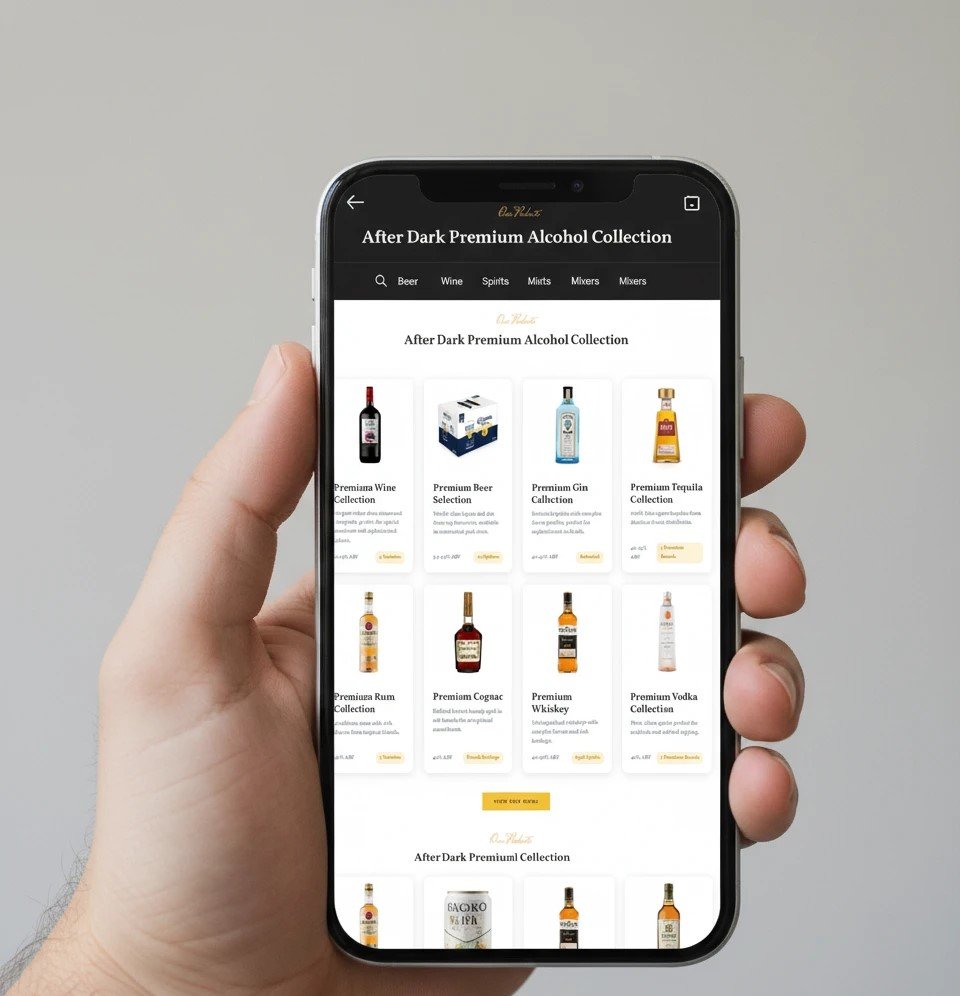
Your journey begins with selecting the right alcohol delivery service for your needs. Popular options include dedicated platforms like After Dark Quick that specialize in fast alcohol delivery, major food delivery apps with alcohol sections, and direct retailer services.
When choosing a platform, consider factors such as delivery speed, product selection, pricing, and service area coverage. Some services excel at offering premium wine selections, while others focus on beer and spirits variety. Many users find it helpful to download multiple apps to compare options and take advantage of promotional offers.
The best alcohol delivery services feature intuitive interfaces that allow you to browse by category, filter by brand or price, and read detailed product descriptions. Look for platforms with high ratings, responsive customer service, and transparent pricing that shows all fees upfront.
Step 2: Creating Your Account and Verifying Your Age
Before placing your first order, you’ll need to create an account with your chosen delivery service. This process typically requires providing your name, address, phone number, and email. Most importantly, you’ll need to verify that you’re at least 21 years old—the legal drinking age throughout the United States.
Age verification at the account creation stage usually involves confirming your date of birth and agreeing to the service’s terms and conditions. Some premium services may request additional verification, such as uploading a photo of your government-issued ID. This pre-verification step helps streamline future orders while ensuring compliance with alcohol regulations.
Your delivery address must be a residential or commercial location where alcohol consumption is permitted. Services cannot deliver to public spaces, schools, prisons, or other prohibited locations. Most apps will automatically verify that your address falls within their delivery zone during account setup.
Step 3: Browsing and Selecting Products
Once your account is set up, you can start shopping for your favorite beverages. Modern alcohol delivery apps offer sophisticated browsing experiences with features like search functionality, category filters, and personalized recommendations based on your previous orders.
Product pages typically include detailed information such as alcohol content, tasting notes, origin, and customer reviews. Many services also provide pairing suggestions and recipe ideas to help you make informed choices. If you’re exploring new options, look for curated collections or staff picks that highlight trending products or seasonal favorites.
The selection available through delivery services often rivals or exceeds what you’d find in a physical store. From craft beers and boutique wines to premium spirits and ready-to-drink cocktails, the variety ensures you’ll find exactly what you’re looking for. Some platforms even offer exclusive products or limited releases not available elsewhere.
Step 4: Placing Your Order
Adding items to your cart works just like any other e-commerce experience. Most services show real-time inventory availability, so you’ll know immediately if a product is in stock. As you shop, keep an eye on minimum order requirements, which typically range from $20 to $50 depending on the service.
During checkout, you’ll select your preferred delivery method. Options usually include express delivery (30-60 minutes), same-day delivery (within a few hours), or scheduled delivery for a specific date and time. Express delivery commands higher fees but provides maximum convenience for last-minute needs.
Review your order carefully before confirming, paying attention to delivery fees, service charges, and any applicable taxes. Many services offer promotional codes or loyalty rewards that can reduce your total cost. Don’t forget to add mixers, ice, or snacks to your order—many platforms allow you to purchase complementary items alongside your alcohol.
Step 5: Order Processing and Preparation
After placing your order, the service assigns it to a nearby licensed retailer or warehouse. Professional staff members pick and pack your items with care, ensuring bottles are properly secured and temperature-sensitive products remain chilled. This process typically takes 10-20 minutes for standard orders.
You’ll receive real-time notifications tracking your order’s progress through preparation, dispatch, and delivery. Most apps provide estimated arrival times and allow you to communicate directly with your delivery driver if needed. This transparency gives you peace of mind and helps you plan to be available for delivery.
Quality control measures ensure your order arrives exactly as specified. If an item is out of stock after your order is placed, the service will typically contact you to suggest substitutions or process a refund for unavailable items. This attention to detail maintains the convenience that makes alcohol delivery so appealing.
Step 6: Delivery and Age Verification
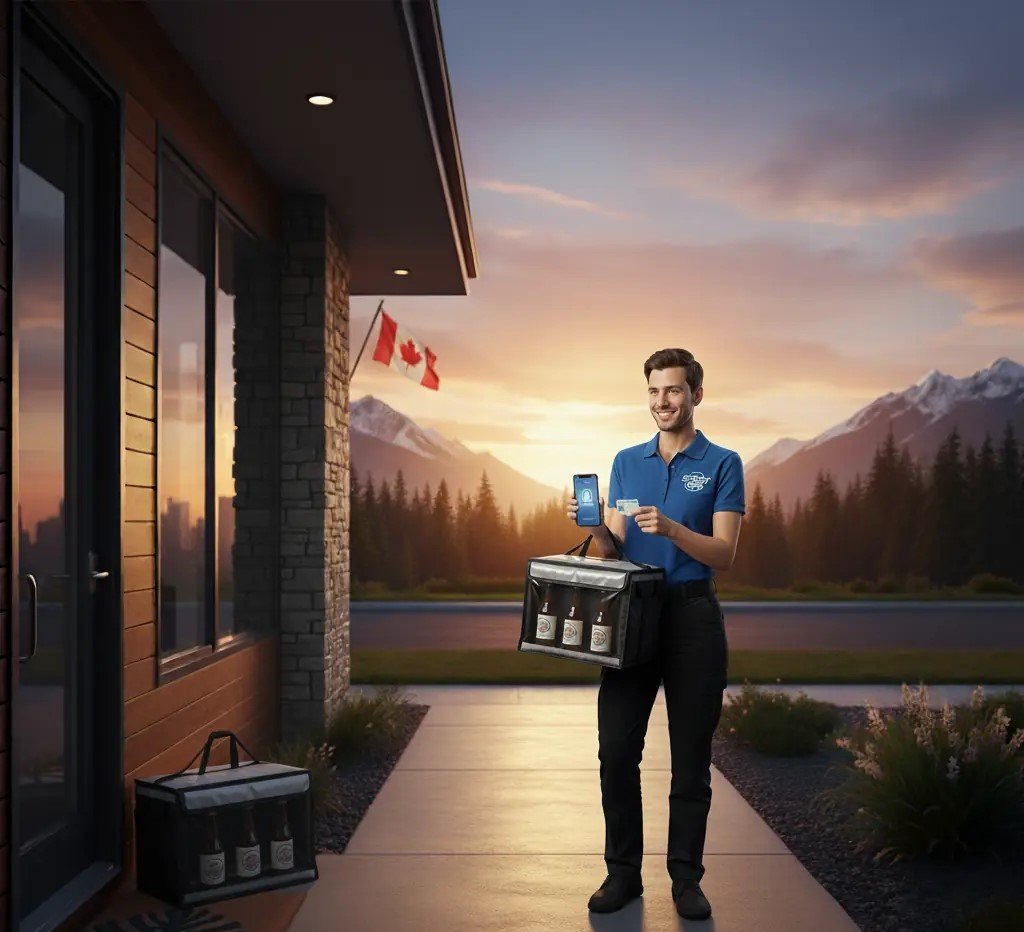
When your delivery driver arrives, the most critical part of the process begins: age verification and identity confirmation. By law, drivers must verify that the recipient is at least 21 years old and matches the account holder’s information. This is a non-negotiable requirement that protects both the customer and the service.
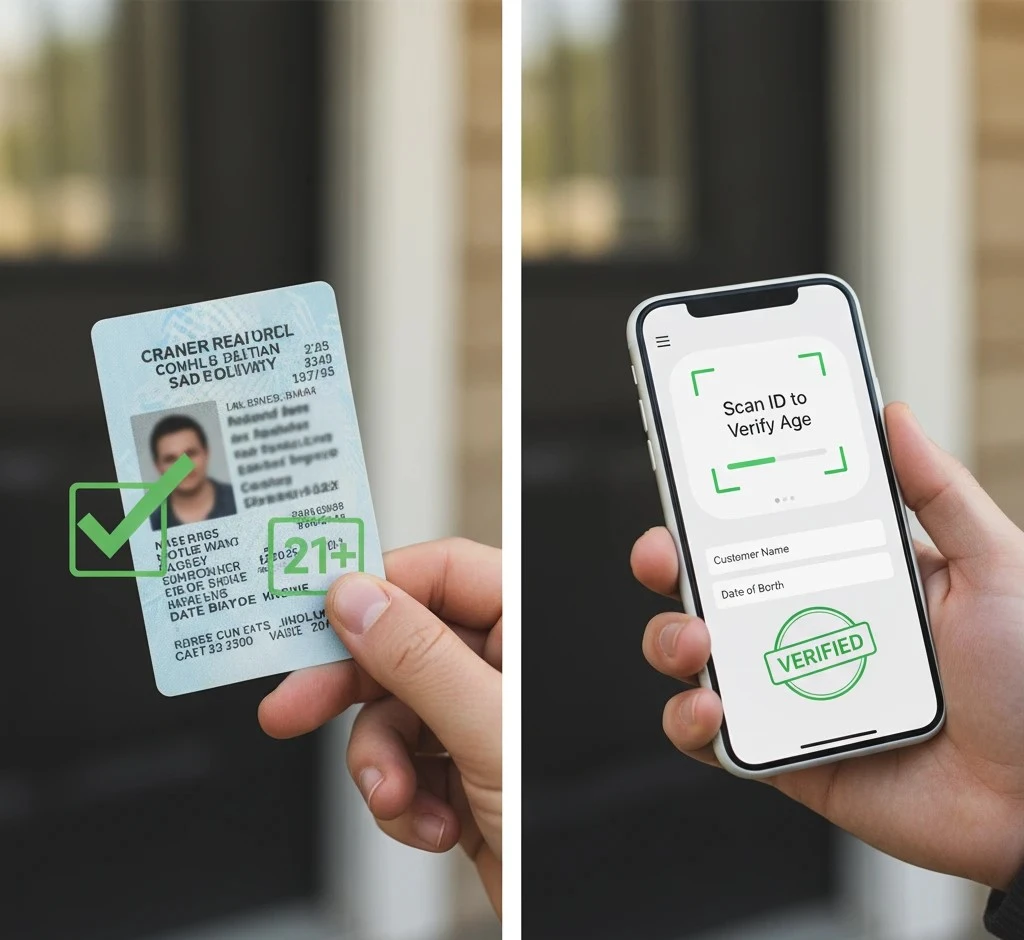
The driver will ask to see your government-issued photo ID typically a driver’s license, state ID card, military ID, or passport. They’ll scan the ID using their delivery app, which automatically verifies the document’s authenticity and confirms your age. If the ID cannot be scanned, drivers can manually enter the information, though this may not be permitted in all jurisdictions.
Beyond age verification, drivers are trained to assess sobriety. If they determine that the recipient appears intoxicated—based on observable signs like slurred speech, unsteady balance, or the smell of alcohol—they are legally required to refuse delivery and return the order. This safeguard promotes responsible consumption and prevents potential harm.
You cannot have someone else receive your alcohol delivery on your behalf unless they are listed on the account and present their own valid ID. The name on the ID must match the account holder’s name. This strict policy prevents underage access and maintains regulatory compliance.
Step 7: Receiving Your Order
Once age verification is complete, the driver will hand over your order. Unlike regular package deliveries, alcohol cannot be left on doorsteps or in mailrooms—a signature is always required. This personal handoff ensures accountability and prevents unauthorized access.
Inspect your order immediately to verify that all items are correct and undamaged. Quality alcohol delivery services pack bottles securely with protective materials to prevent breakage during transport. If anything is missing or damaged, document the issue with photos and contact customer service right away for resolution.
Most services encourage tipping your delivery driver, though it’s not mandatory. Drivers provide a valuable service by ensuring safe, legal delivery, often navigating challenging traffic and weather conditions. A typical tip ranges from 15-20% of the order value, reflecting the quality of service provided.
Legal Requirements and Regulations
Age Restrictions and Compliance
The legal drinking age of 21 is strictly enforced across all alcohol delivery platforms. Services invest significantly in technology and training to ensure compliance with federal, state, and local regulations. Violations can result in severe penalties including license revocation, fines, and criminal charges.
Beyond the age verification at delivery, many jurisdictions require services to maintain detailed records of every transaction. These records include timestamps, delivery addresses, ID verification data, and driver confirmations. Regulatory agencies can audit these records to ensure proper compliance.
Some states have additional requirements, such as mandatory waiting periods between order placement and delivery, restrictions on delivery hours, or prohibitions on deliveries to certain types of locations. Reputable services build these rules into their apps, automatically preventing orders that would violate local laws.
Delivery Hours and Time Restrictions
Alcohol delivery hours vary significantly by location. Most states restrict alcohol sales and delivery to specific windows, commonly between 9 AM and 11 PM on weekdays and 10 AM to midnight on weekends. Some jurisdictions impose even stricter limits, while others offer more flexibility.
Holiday restrictions are common, with many areas prohibiting alcohol delivery on certain days like Thanksgiving, Christmas, or Election Day. Services typically display permitted delivery hours prominently in their apps and prevent orders outside these windows.
Understanding your local delivery hours helps you plan orders accordingly. If you need alcohol for an early morning event or late-night gathering, check your service’s hours in advance. Some cities with 24/7 liquor stores may offer around-the-clock delivery, though this is relatively rare.
Geographic Limitations and Dry Areas
Not all locations permit alcohol delivery. “Dry” counties or municipalities completely prohibit alcohol sales, including delivery. Even in areas where delivery is legal, coverage may be limited based on the service’s operational footprint.
When setting up your account, enter your exact address to determine eligibility. Services automatically check whether they can legally deliver to your location and inform you immediately if delivery isn’t available. Some apps show coverage maps to help you understand service boundaries.
If you’re temporarily staying in a different location, remember that delivery regulations follow the delivery address, not your home address. What’s legal where you live may not be permitted where you’re visiting.
Technology Behind Seamless Alcohol Delivery
Mobile App Features and Functionality
Modern alcohol delivery apps leverage sophisticated technology to provide seamless user experiences. Features like real-time inventory updates, intelligent search with filters and recommendations, one-click reordering of favorite items, and integrated GPS tracking create convenience that rivals traditional shopping.
Push notifications keep you informed about order status, special promotions, and new product arrivals. Many apps incorporate machine learning to personalize your shopping experience, suggesting products based on your preferences and purchase history.
Security features protect your personal and payment information through encryption and secure authentication methods. Reputable services comply with payment card industry standards and implement measures to prevent fraud and unauthorized access.
Route Optimization and Logistics
Behind the scenes, complex algorithms optimize delivery routes to minimize wait times and maximize efficiency. These systems consider factors like traffic conditions, driver availability, order volume, and geographic distribution to ensure fast delivery.
Dynamic pricing during peak periods helps balance supply and demand. Surge pricing or higher delivery fees during busy times incentivize more drivers to work while managing customer expectations about delivery speed.
Fleet management technology tracks driver locations, monitors performance metrics, and ensures compliance with delivery protocols. This oversight maintains service quality and provides accountability throughout the delivery process.
ID Scanning and Verification Technology
Advanced ID scanning technology forms the backbone of age verification systems. Drivers use smartphone cameras to scan barcodes or magnetic strips on IDs, instantly verifying authenticity and extracting date of birth information.
These systems can detect common signs of fake IDs, including inconsistent formatting, suspicious holograms, or altered information. If an ID fails verification, the system alerts the driver and prevents delivery completion.
Transaction data from ID scans is securely stored for regulatory compliance and dispute resolution. This documentation protects all parties involved by creating an auditable record of proper verification procedures.
Delivery Speed Options Explained
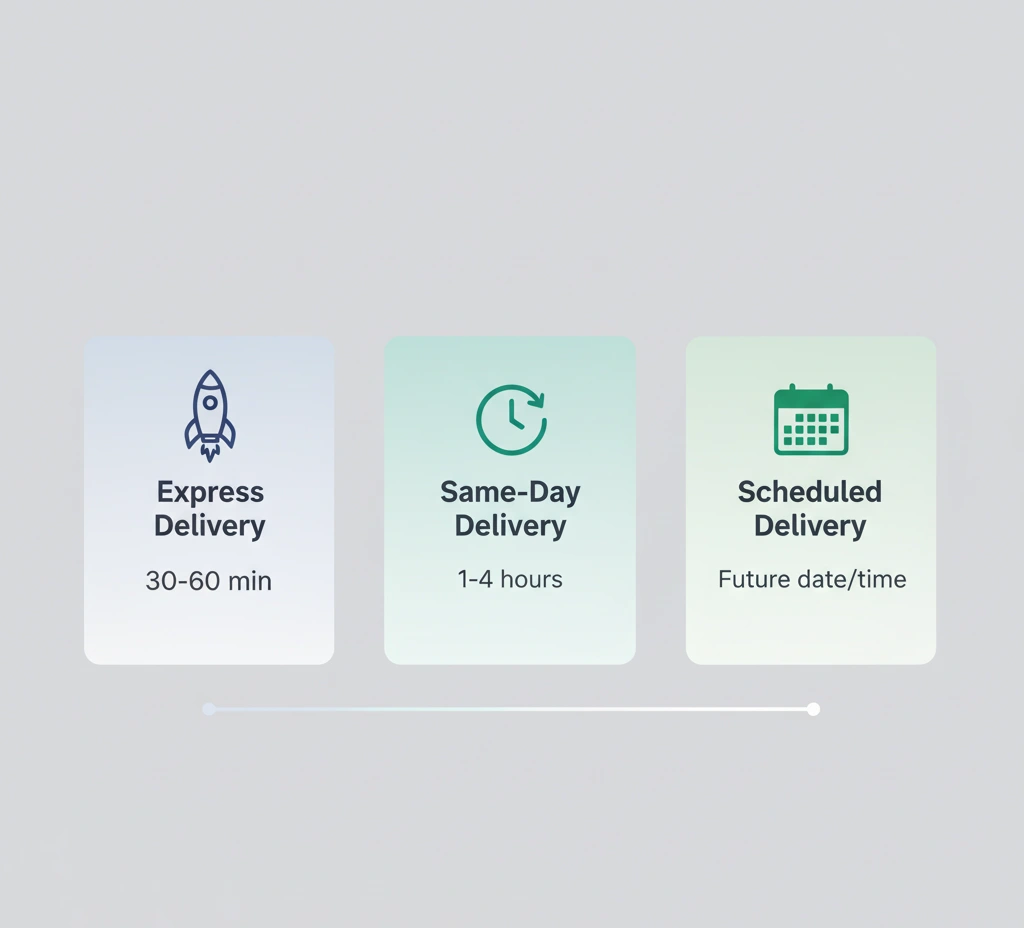
Express Delivery (30-60 Minutes)
Express delivery represents the fastest option available, typically promising arrival within 30 to 60 minutes of order placement. This premium service commands higher delivery fees but provides maximum convenience for urgent needs.
Availability of express delivery depends on factors like your location, time of day, and current demand. Urban areas with high service density generally offer more reliable express options than suburban or rural locations.
To optimize express delivery success, order during off-peak hours when driver availability is higher and traffic is lighter. Being flexible with your delivery window can also improve reliability.
Same-Day Delivery (1-4 Hours)
Same-day delivery offers a balance between speed and cost. Orders placed before afternoon cutoff times—typically between 3 PM and 6 PM—arrive later the same day within a 1-4 hour window.
This option works well for planned events or when you have some flexibility in timing. Lower delivery fees compared to express service make same-day delivery an economical choice for many customers.
Accurate delivery windows help you plan your availability. Most services narrow down the estimate as your delivery approaches, sending notifications when the driver is nearby.
Scheduled Delivery (Future Date/Time)
Scheduled delivery allows you to select a specific future date and time for your order arrival. This option is perfect for planning parties, events, or ensuring delivery when you know you’ll be home.
Many customers use scheduled delivery to take advantage of sales or promotions while specifying delivery for an upcoming occasion. This advance planning also ensures product availability, especially for popular items that might sell out quickly.
Flexibility to modify scheduled deliveries varies by service. Check cancellation and rescheduling policies before placing your order, especially for time-sensitive events.
Costs and Fees Associated with Alcohol Delivery
Delivery Fees
Standard delivery fees typically range from $3.99 to $9.99 depending on the service, your location, and delivery speed. Express delivery commands premium pricing, sometimes reaching $15 or more for ultra-fast service.
Many platforms offer free delivery for orders exceeding minimum thresholds, commonly $35 to $50. Calculating whether your order meets these thresholds can lead to significant savings, especially for regular users.
Subscription services provide another cost-saving option. Monthly or annual membership fees (typically $99 to $199 per year) unlock unlimited free delivery on orders above minimum amounts. Frequent users often find these subscriptions pay for themselves after just a few orders.
Service Fees and Additional Charges
Beyond delivery fees, many services charge service fees ranging from 5% to 15% of your order subtotal. These fees support platform operations, customer service, and technology development.
Alcohol-specific fees may apply in certain jurisdictions to cover special licensing, insurance, or regulatory compliance costs. These charges typically range from $1 to $5 per order.
Small order fees discourage tiny purchases that are economically inefficient to fulfill. If your order falls below the minimum threshold (usually $20 to $35), expect an additional fee of $2 to $7.
Tipping Your Delivery Driver
While tipping is technically optional, it’s strongly encouraged and expected. Delivery drivers provide a valuable service, often working in challenging conditions to ensure your order arrives quickly and safely.
Standard tipping practices suggest 15-20% of your order total, with minimums of $3 to $5 for small orders. Consider tipping more for difficult deliveries involving stairs, poor weather, or exceptionally fast service.
Most apps allow you to add tips during checkout or after delivery. Some customers prefer tipping in cash for drivers to receive the full amount immediately. Either method is acceptable and appreciated.
Benefits of Using Alcohol Delivery Services
Convenience and Time Savings
The primary advantage of alcohol delivery is the incredible convenience it offers. No more fighting traffic, searching for parking, or waiting in checkout lines. Order from your couch and have products delivered to your door in under an hour.
Time savings extend beyond the delivery itself. Browsing online lets you compare products, read reviews, and research options at your own pace without feeling rushed by store associates or other customers.
For busy professionals, parents, or anyone with limited mobility, alcohol delivery provides access to products that might otherwise require significant effort to obtain. This accessibility makes enjoying your favorite beverages easier than ever.
Wide Selection and Product Discovery
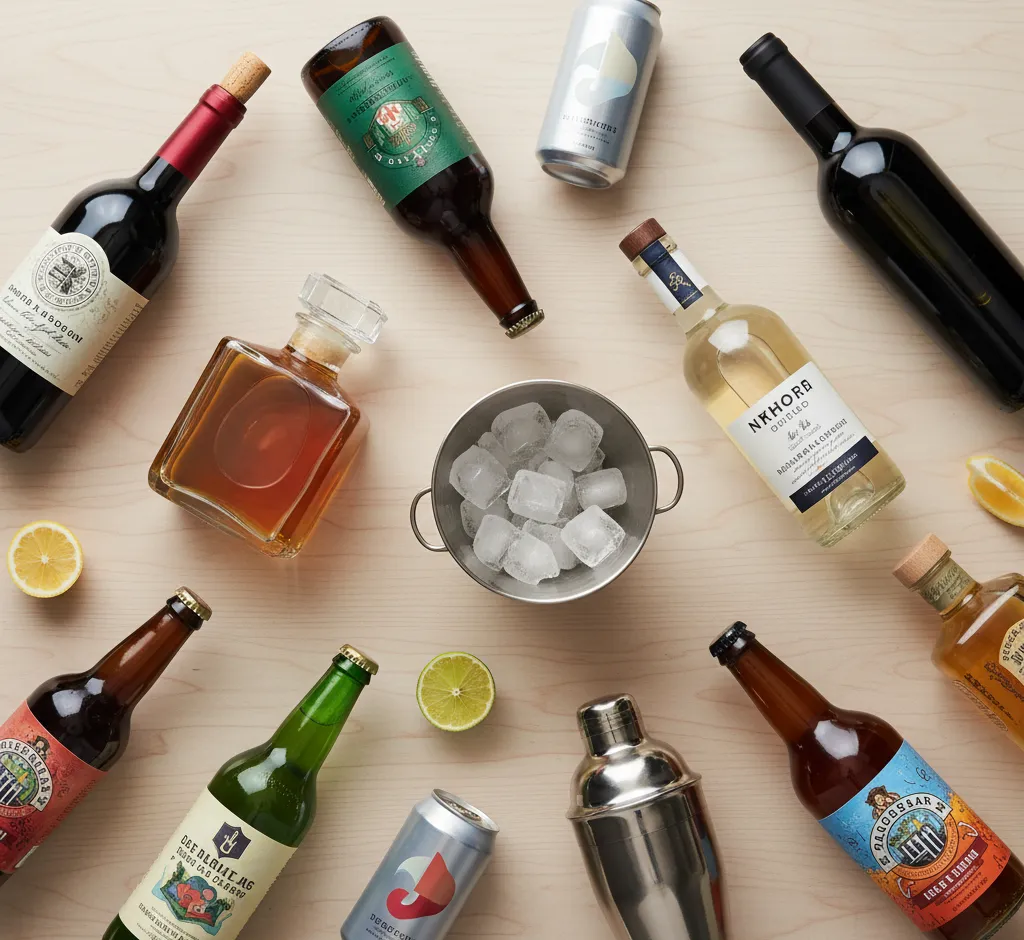
Online platforms often offer broader selections than physical stores. Browse thousands of products from multiple categories, including craft beers, fine wines, premium spirits, ready-to-drink cocktails, and mixers and accessories.
Discovery features help you find new favorites. Curated collections highlight trending products, seasonal selections, or staff recommendations. Customer reviews provide honest feedback about quality and taste.
Virtual sommelier services and pairing suggestions enhance your shopping experience. Many apps provide detailed tasting notes, origin stories, and food pairing ideas to help you make informed decisions.
Safety and Responsibility
Alcohol delivery promotes responsible consumption by eliminating the need to drive to and from liquor stores. This is especially important if you’ve already been drinking or plan to consume alcohol immediately after purchase.
The age verification process ensures products don’t reach underage individuals. Multiple checkpoints—from account creation through final delivery—create robust safeguards against illegal access.
Sobriety checks at delivery prevent excessive consumption. If a driver determines a recipient is already intoxicated, they’ll refuse delivery, potentially preventing harmful behavior or dangerous situations.
Comparing Alcohol Delivery Services
Dedicated Alcohol Delivery Platforms
Specialized alcohol delivery services like After Dark Quick focus exclusively on beverage delivery. These platforms typically offer the deepest product selections, most competitive pricing, and fastest delivery times in their coverage areas.
Expertise in alcohol sales means better customer service from staff who understand products and can make informed recommendations. Dedicated services often have stronger relationships with suppliers, providing access to exclusive products or limited releases.
Loyalty programs and membership benefits reward frequent users with perks like free delivery, exclusive discounts, and early access to new products. These programs deliver significant value for regular customers.
Multi-Service Delivery Platforms
Apps like DoorDash, Uber Eats, and Instacart offer alcohol delivery alongside food and other products. This integration allows you to combine orders—for example, adding wine to your restaurant delivery or beer to your grocery order.
Convenience of single-platform ordering appeals to users who prefer consolidating their delivery apps. If you’re already using these services for food delivery, adding alcohol to your order is seamless.
However, selection may be more limited than dedicated platforms, and delivery times might be longer depending on driver availability and other orders in queue.
Direct Retailer Delivery
Many liquor stores and chains now offer their own delivery services through proprietary apps or websites. Total Wine & More, BevMo, and local retailers provide this option in markets they serve.
Direct retailer delivery often features competitive pricing since there’s no third-party markup. You’re buying directly from the store at regular retail prices plus delivery fees.
Product authenticity and quality are assured when ordering directly from established retailers. You benefit from the same guarantees and customer service standards as in-store purchases.
Best Practices for a Smooth Delivery Experience
Before Ordering
Verify your delivery address is accurate and complete, including apartment numbers or special access codes. Incorrect addresses cause delays and may result in returned orders.
Check delivery hours for your area before placing time-sensitive orders. Knowing when services operate prevents disappointment from failed delivery attempts.
Review product descriptions carefully, paying attention to bottle sizes, alcohol content, and any special characteristics. Online shopping doesn’t allow you to physically examine products, so thorough review prevents ordering mistakes.
During Delivery
Keep your phone nearby to receive notifications about order status. Drivers may need to contact you for access instructions or navigation assistance.
Have your ID ready and easily accessible. Fumbling for identification delays the process and frustrates drivers who are juggling multiple deliveries.
If you have specific delivery instructions—like using a side entrance or calling upon arrival—add these notes during checkout. Clear communication ensures smooth handoffs.
After Delivery
Inspect your order immediately while the driver is still present. Report any issues right away for fastest resolution.
Store alcohol properly according to product type. Wine and certain beers should be refrigerated, while spirits can be kept at room temperature in a cool, dark place.
Provide feedback about your experience through the app. Your reviews help other customers make informed decisions and help services improve their operations.
Common Issues and How to Resolve Them
Out of Stock Items
Popular products sometimes sell out between order placement and fulfillment. Quality services contact you immediately to suggest substitutions or offer refunds for unavailable items.
Build flexibility into your orders by selecting backup options or indicating you’re open to substitutions. This proactive approach prevents delays and ensures you still receive a complete order.
Delivery Delays
Traffic, weather, and high demand can impact delivery times. Most services update estimated arrival times dynamically and send notifications about delays.
Allow buffer time for important events. Ordering several hours in advance rather than cutting it close reduces stress if delays occur.
If a delivery is significantly late or doesn’t arrive, contact customer service through the app. Most platforms offer credits or refunds for poor service experiences.
ID Verification Problems
Expired IDs, mismatched names, or technical scanning issues occasionally prevent delivery completion. Ensure your ID is current and matches your account name exactly.
If you’ve recently changed your name or address, update both your legal documents and app profile to avoid confusion. Consistency across all records prevents verification problems.
Some states prohibit certain forms of ID or restrict ID scanning. Familiarize yourself with local requirements to avoid surprises at delivery time.
The Future of Alcohol Delivery
Emerging Technologies
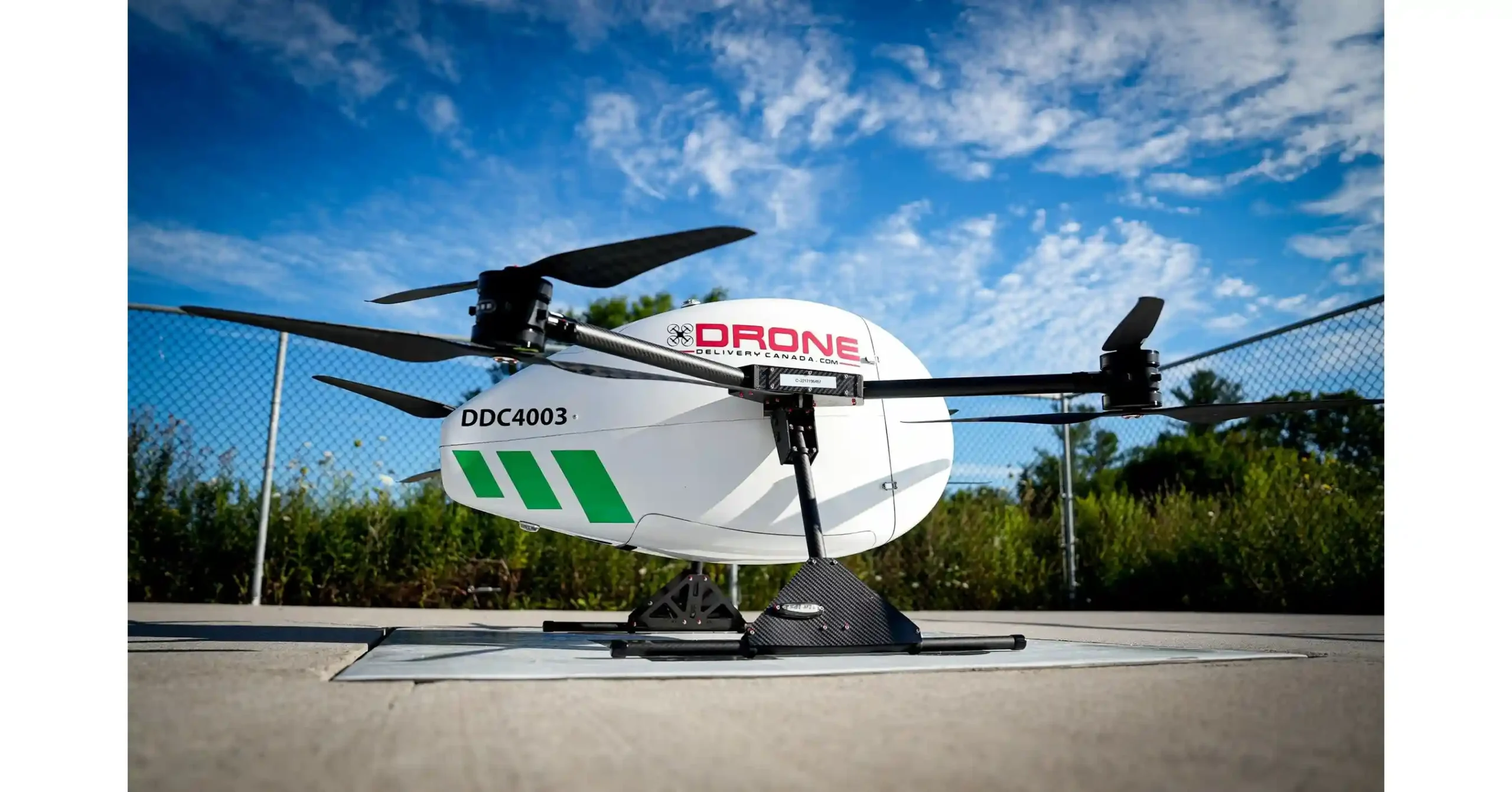
Drone delivery and autonomous vehicles represent the next frontier in alcohol logistics. While regulatory hurdles remain, pilot programs are testing these technologies in controlled environments.
Augmented reality features may soon allow you to visualize products in your home before ordering or explore virtual wine cellars from your phone. These innovations enhance the shopping experience beyond what physical stores can offer.
Blockchain technology could revolutionize supply chain transparency, allowing customers to verify product authenticity and trace items from producer to doorstep. This technology combats counterfeit products and ensures quality.
Expanding Coverage
As regulations evolve, alcohol delivery is becoming available in more locations. Recent legislative changes in several states have opened markets that were previously restricted.
Rural and suburban coverage continues expanding as services optimize logistics for lower-density areas. While urban markets remain primary focuses, growing demand drives expansion into new territories.
International markets are also embracing alcohol delivery, with services launching in countries throughout Europe, Asia, and Latin America. Global expansion creates opportunities for cross-border expertise sharing and best practice development.
Sustainability Initiatives
Environmental consciousness is shaping the future of alcohol delivery. Services are implementing electric vehicle fleets, optimizing routes to reduce emissions, using recyclable or compostable packaging materials, and partnering with carbon offset programs to neutralize delivery impacts.
Customers increasingly value sustainability, making these initiatives not just environmentally responsible but also commercially advantageous. Forward-thinking services that prioritize eco-friendly operations gain competitive advantages.
Frequently Asked Questions
Q: Do I need to be home for alcohol delivery?
Yes, you must be physically present to receive alcohol delivery. Someone 21 or older with valid ID matching the account holder’s name must accept the delivery in person. Alcohol cannot be left unattended on doorsteps, in mailrooms, or with neighbors. This requirement ensures proper age verification and promotes responsible distribution.
Q: Can I order alcohol delivery if I’ve already been drinking?
While you can place an order, delivery drivers are trained and legally required to refuse delivery to anyone who appears intoxicated. Visible signs of intoxication—such as slurred speech, unsteady balance, or alcohol smell—will result in delivery refusal and order return. This policy protects customer safety and ensures responsible service.
Q: What forms of ID are accepted for alcohol delivery?
Most services accept U.S. driver’s licenses, state-issued ID cards, military IDs, and passports. The ID must be government-issued, contain a photo, display your date of birth, and be current (not expired). Some services have additional restrictions—for example, Walmart and Costco orders may not accept passports in certain jurisdictions. Always check your specific service’s requirements.
Q: How much does alcohol delivery typically cost?
Delivery costs vary based on service type, location, and speed. Standard delivery fees range from $3.99 to $9.99, with express delivery costing $10 to $15 or more. Service fees of 5-15% of your order total may apply, plus any alcohol-specific surcharges required by local regulations. Many platforms offer free delivery on orders above $35-$50. Subscription services ($99-$199 annually) provide unlimited free delivery for frequent users.
Q: Is alcohol delivery available 24/7?
No, alcohol delivery hours are regulated by state and local laws. Most services operate between 9 AM and 11 PM, with variations based on location. Some areas restrict hours further, while others allow extended service. Holiday restrictions also apply in many jurisdictions. Check your specific service’s delivery hours during the ordering process—apps typically display permitted windows automatically based on your location.
Ready to Experience the Convenience?
Alcohol delivery has transformed beverage shopping from a chore into a seamless, convenient experience. Understanding how the process works—from browsing products to receiving your order—empowers you to take full advantage of this modern service.
The combination of cutting-edge technology, strict legal compliance, and customer-focused service creates a reliable way to access your favorite beer, wine, and spirits without leaving home. Whether you’re planning a party, restocking your home bar, or simply want to enjoy a quiet evening with a glass of wine, alcohol delivery puts thousands of products at your fingertips.
Ready to place your first order? Visit After Dark Quick for fast, reliable alcohol delivery that brings your favorite beverages to your door in under an hour. Contact After Dark Quick Alcohol Delivery for a free quote for you favourite beverages.